When evaluating an equipment purchase, it is important to understand the benefit it will provide your business. Whether it is increasing capacity by five jobs a month or automating a production line, equipment is a capital asset that drives revenue. However, the cost can be substantial and using all cash may tie up working capital that can limit your operational flexibility. This is where strategic small business equipment financing becomes a vital tool. By financing, you can reduce your initial cash outflow, retain capital for operating and/or other investment needs, and let the asset’s cash flow pay for itself over time.
Equipment Financing Basics
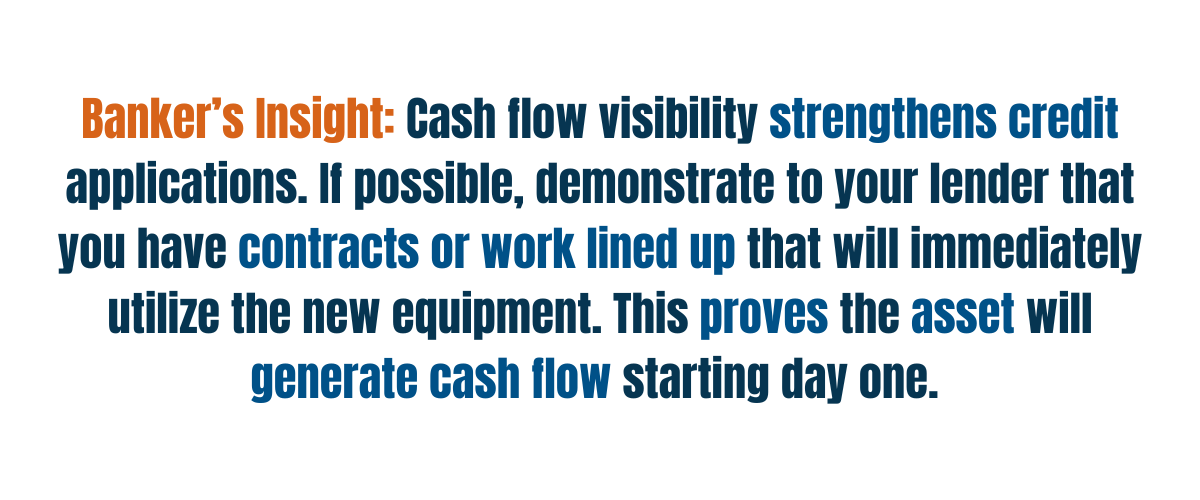
The fundamental structure of equipment financing is dependent on the asset being acquired and the future cash flow it is expected to generate. The loan will be collateralized by the equipment; the useful life will be a guide to loan structure, and if you have a good understanding of the income it will produce, you can start to narrow down the amount of time you should finance the machinery.
For example, if you acquire new machinery with a 15-year useful life, and initially it will be used to fulfill a 5-year contract, you have a good base to determine the length of loan that may work best. By using small business equipment financing to fund the purchase, you can retain cash that can be kept in reserve, covering additional expenses that may be needed for the contract, or simply for other general operating needs.
Choosing Between Loans and Leases
Every business has unique capital requirements and tax considerations. Small business equipment lending generally offers two distinct structures, each with specific advantages. The fundamental difference lies in ownership.
Loan
A loan is a financing tool to buy an asset. You borrow money to own the equipment, paying it off overtime while building equity.
Benefits:
- Equity & Asset Value: You own the equipment. Once the loan is paid, you have a debt-free asset you can use for years or sell to recover capital.
- Tax Advantages: You can deduct the interest paid and claim depreciation (often 100 percent in Year 1 via Section 179), which can significantly lower your taxable income.
- Lower Total Cost: Over the full life of the equipment, a loan is usually cheaper than a lease because you aren't paying the lessor's administrative fees and profit margin indefinitely.
Considerations:
- Upfront Cash Required: Loans typically require a 10–20 percent down payment, tying up working capital that could be used elsewhere.
- Obsolescence Risk: You bear the full risk. If the technology becomes outdated, you are still responsible for the loan and own an asset with little resale value.
Lease
A lease is a financing tool to rent an asset. You pay for the use of the equipment for a set period, returning it at the end unless you choose a buyout option.
Benefits:
- Cash Flow Preservation: Leases rarely require a down payment, often 1-2 months upfront). This amounts to approximately 100 percent financing, keeping your cash reserves intact.
- Hedge Against Obsolescence: Ideal for high-tech equipment, such as IT, medical and software. When the lease ends, you return the old gear and upgrade to the newest model.
- Easier Approval: Leases are often easier to qualify for than bank loans and may not require the same depth of financial history or collateral.
Considerations:
- No Equity: You build zero ownership. At the end of the term, you have nothing to show for your payments unless you pay a residual buyout fee.
- Higher Long-Term Cost: The effective interest rate, which is implied in the rent, is usually higher than a bank loan rate.
- Strict Terms: Leases are difficult to break. You are obligated to pay the full term even if you no longer need the equipment.
Solutions for Your Industry
Capital expenditures should effectively scale your operations. Here is how specific industries utilize equipment financing to improve and growth their businesses:
- Logistics and Waste Management: Financing a reliable fleet of trucks and trailers allows you to provide higher quality hauling with better margins as newer stock will experience less repairs and downtime. In the waste industry, financing specialized trucks for scrap metal or other materials can open new revenue streams and expand customer base.
- Agriculture: Whether you require agricultural equipment financing for a combine, tractor, or planter, upgrading to the latest technology is essential for yield optimization and operational efficiency.
- Manufacturing: Machinery is critical for successful operations. Investing in robotic welders can mitigate labor shortages, while financing packaging equipment (like food-sealing machines) allows for increased productivity, or acquiring a laser cutter to bring a process in-house for greater quality control and increased profitability.
- Construction and Contractors: Completing a project on time and on budget requires reliable equipment. Financing provides you the ability to acquire the necessary equipment and machinery to confidently bid and execute your projects.
Partnering With a Community Bank
Applying for small business equipment financing is easy when you have the right partner to help you navigate the market. Working with a community bank offers you two distinct advantages: personal service and local decision-making.
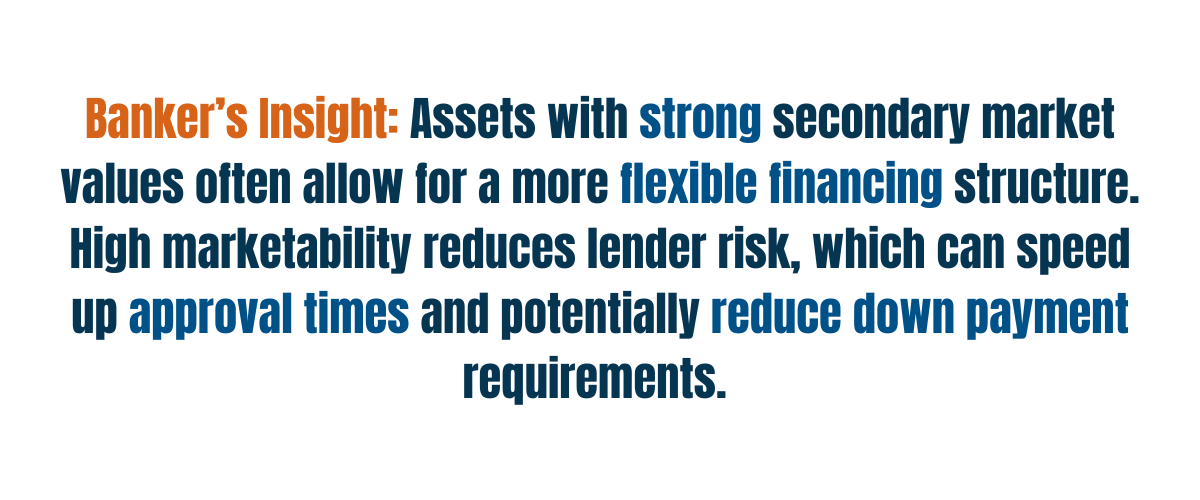
To streamline the loan process, prepare your financial package in advance: typically, the last two to three years of tax returns, personal financial statements, and current interim financials. When you present a purchase agreement or quote alongside a clear business case for how the asset aids your business, you move from a transactional request to a strategic partnership.
Whether you are looking to expand your fleet or overhauling your production line, we are ready to support you and your business. Contact our team of commercial bankers today.